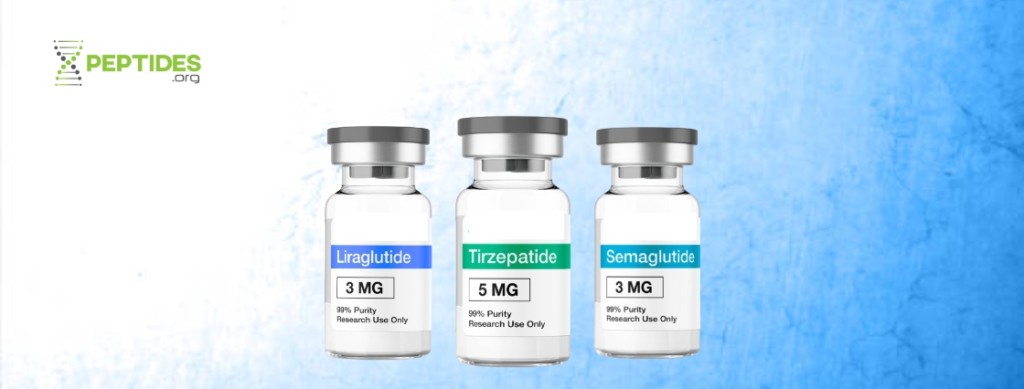
Peptide Testing: Hplc & Mass Specification Pureness Guide Apex
Peptide Screening: Hplc & Mass Spec Pureness Guide Pinnacle
During solid-phase synthesis, each amino acid combining step has a yield of Research Compounds about 99-- 99.8%. When a coupling fails, the expanding chain is topped to prevent additional elongation of the inaccurate series. The result is a peptide that's shorter than intended-- missing one or more amino acids.Peptide Functional Evaluation In Biomedical Research
- In addition to RP HPLC, our talented researchers can additionally give info on the molecular weight of peptides determined by mass spectrometry.
- A peptide might be 98% pure (indicating really couple of peptide contaminations) yet still have some water or trifluoroacetate salt; those non-peptide parts would be reflected in the net peptide web content rather than the purity percent.
- Explore front runner research peptides with batch-specific COA documentation and HPLC/MS verification.
- HPLC can reveal brand-new impurity optimals, boosted shoulder heights, or a lowered main-peak location after storage or handling stress and anxiety.
If you've ever surfed a peptide directory, you have actually seen pureness numbers anywhere. These numbers obtain thrown around so typically that it's easy to gloss over them-- simply one more specification on an item web page. Chameleon Peptides offers study compounds exclusively for research laboratory and analytical objectives. All PRG items are meant solely for in vitro research or more manufacturing use. Using a very cleansed peptide lowers these risks and improves the integrity of your information.
While peptide pureness isn't the only element, using improperly defined reagents is a recognized contributor to irreproducible results. For a 10-residue peptide with 99.5% coupling effectiveness, you 'd anticipate about 95% of the end product to be the unabridged series prior to filtration. For a 30-residue peptide at the exact same performance, that drops to approximately 86%. This is why much longer peptides are more challenging to produce at high purity and typically set you back even more. Purity is the percent of publications in the shipment that have every page printed appropriately, in the best order, without missing out on phases and no added web pages packed in. A 95% purity means that out of every 100 "books" in your set, 95 are perfect duplicates and 5 have some type of error.Peptide Purity Analysis Solution
Respectable peptide providers always note their items in this manner and offer high quality reports with HPLC and MS data to support the purity degree. As long as you get peptides from a relied on source that gives a complete certification of evaluation, you can be positive in the peptide's purity grade and use extent. Peptides are tested via a combination of strategies, including HPLC for purity, mass spectrometry (MS) for sequence confirmation, and nuclear magnetic resonance (NMR) for architectural evaluation. These techniques help identify the peptide's structure, validate the molecular weight, and identify any kind of architectural changes or contaminations, guaranteeing the peptide meets high quality and spec demands. With our detailed peptide evaluation system, Innovative Proteomics has created an extremely sensitive and specialized system.
The injector introduces a specific volume of example right into the mobile-phase stream. Regular shot quantity matters because straining the column can broaden tops, distort pureness price quotes, or conceal neighboring pollutants. A strong peptide testing process uses approaches that respond to complementary inquiries. The table listed below is the functional method to think about typical examinations when reading a peptide COA.